Leading With Purpose: SCSJ Dean Guylaine Harrison Named to Bronx Power List
Guylaine Harrison, Monroe University’s Dean of the School of Criminal and Social Justice (SCSJ), was recently recognized by Schneps Media for her leadership and dedication to creating opportunity for the community and students. Just one of 42 awardees for the Bronx Power List, Dean Harrison is among an exclusive, influential group of borough leaders whose work has positively impacted the borough.
Harrison said, her selection was both “humbling and heartening.”
“Many of us here at Monroe – we do what we do from the heart,” she said. “We’re thinking about how we can empower the next generation and really prepare them for the impact that they could have where they are and make their communities better.”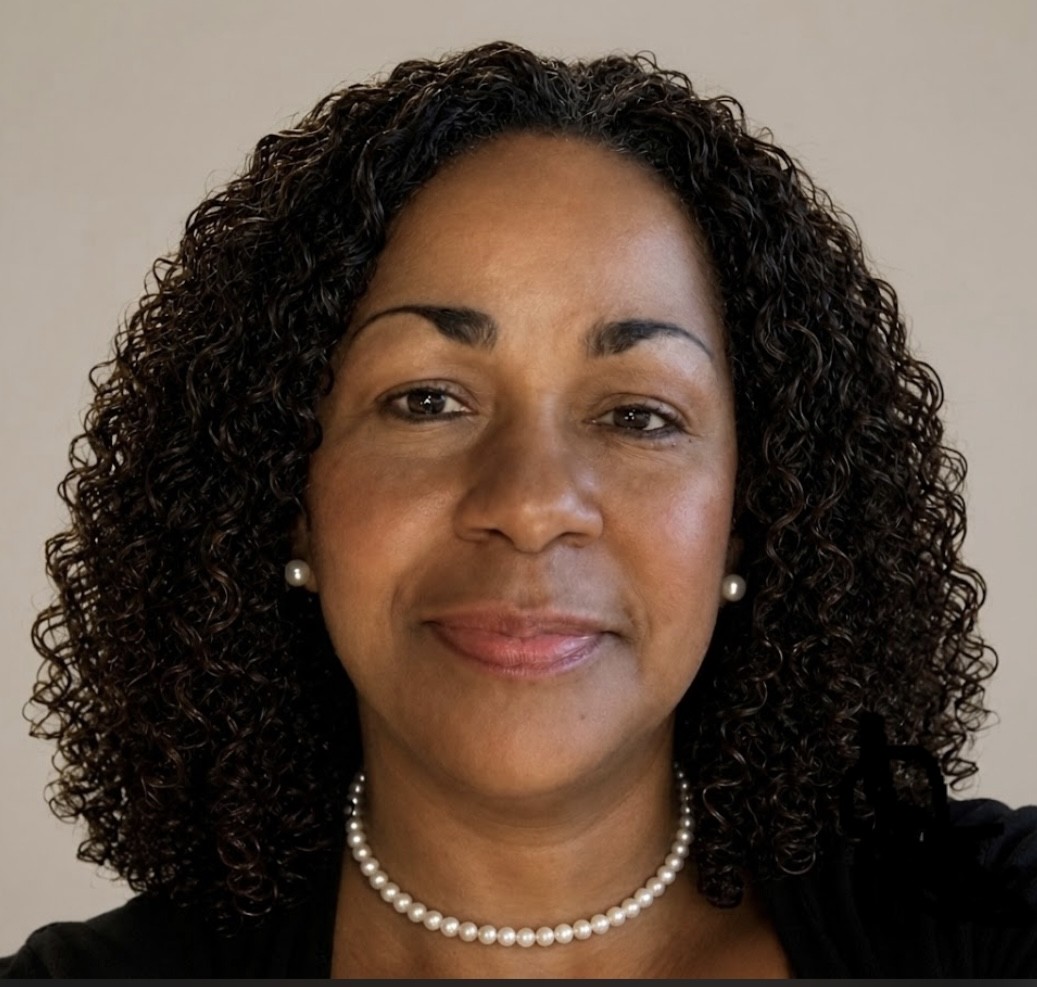 For eight years, Dean Harrison has led the SCSJ at Monroe University, following eight years as an adjunct. Under her leadership, the SCSJ expanded to include programming that encourages students to consider the impacts of trauma on individuals and communities. Just last year, the SCSJ added Emergency and Disaster Management to its portfolio, a field that is slated to grow by four percent year over year and trains professionals to prevent, mitigate, and respond to catastrophic events when they occur.
Whenever possible, Dean Harrison also teaches in the school of SCSJ, and has led classes in Personal Injury Law and Restorative Justice. However, Dean Harrison’s contributions to the Bronx extend well beyond her management of the SCSJ. She has actively sought to support community-based solutions to the people and causes she cares about most: restorative justice, victims of domestic violence, and diversity in law enforcement and legal fields.
“You would be hard-pressed to find a more deserving person for the Bronx Power List than Dean Harrison,” said Dr. Karenann Carty, Senior Vice President of Academic and Student Affairs. “She is uniquely talented in bringing people and resources together in a way that empowers communities to address issues. It’s exactly the kind of leadership our Monroe students benefit from and the kind of ethos that they can take into their public service and law enforcement careers that will serve them well.”
One example of that collaborative spirit is her work with Project Reset, an organization that seeks to redirect individuals with lower-level arrests away from the justice system and toward rehabilitative resources. Those resources are sometimes hosted at Monroe, allowing the participants to learn from and own their mistakes, while SCSJ students help to facilitate.
“The community is not shunning them or labeling them, but is helping them to recognize their errors, hold them accountable, and create space where they can come back from their past,” Dean Harrison said. “That’s huge for reducing recidivism.”
She is also deeply supportive of the National Association of Women Judges and has brought its Color of Justice program, an initiative that seeks to expose individuals from underserved communities to judges, lawyers, and others in the justice system who come from those same communities, to SCSJ students. By witnessing members of similar backgrounds being successful in legal fields, it helps students see a path for themselves in those occupations and helps to build trust within communities.
“It’s not enough to say to middle or high schoolers ‘you can be anything you want’,” she said. “It has a tremendous impact when they can see what that actually looks like, when they have someone to mentor them.”
Her reviews on RateMyProfessor are exceptionally high, earning a 4.9 rating from her previous students.
“Great class,” wrote one former student of her Personal Injury Law course. “I am a paralegal now in personal injury. This class was great because it explained things that I was not shown at work. I would definitely like to have this professor again.”
Each year in partnership with the Bronx Borough President’s office, Dean Harrison helps to facilitate bringing the DiVA initiative to Monroe, a Domestic Violence awareness program. That program aims to highlight the issue of domestic violence and communicate the diverse support services available to victims, survivors, and their families.
Taken together, these issues emphasize her approach to criminal and social justice: with the right support, higher education can be the catalyst that lifts up individuals and whole communities.
“At this point, it’s not about us,” she said. “It’s about the students and how do we get them to where they need to go?”
Dean Harrison’s career – guided by purpose, service, and dedication to the community – continues to help drive the School of Criminal and Social Justice forward. We thank and congratulate her for this deserving recognition!